Dean & DeLuca sold the world's finest gourmet and artisan food, wine, and gifts to people who cared about the difference. What the brand had not done was translate that authority into social commerce. The channels were quiet, and online transactions from social ran at fewer than ten in an average month. Not ten thousand. Ten.
A baseline that low is worth a paragraph of honest diagnosis, because it was not a demand problem. This was a beloved brand with landmark stores, real cultural cachet, and a catalog built for photography. The social presence was failing for the ordinary reason prestige brands fail on social: the channels were being run as an obligation, posted to rather than programmed, with no media behind them and no commercial job assigned to them. The audience had not rejected the brand. The brand had never actually shown up. Which meant the opportunity was not to build demand but to collect demand that had been sitting there unaddressed, and that framing set the ambition level for everything that followed.
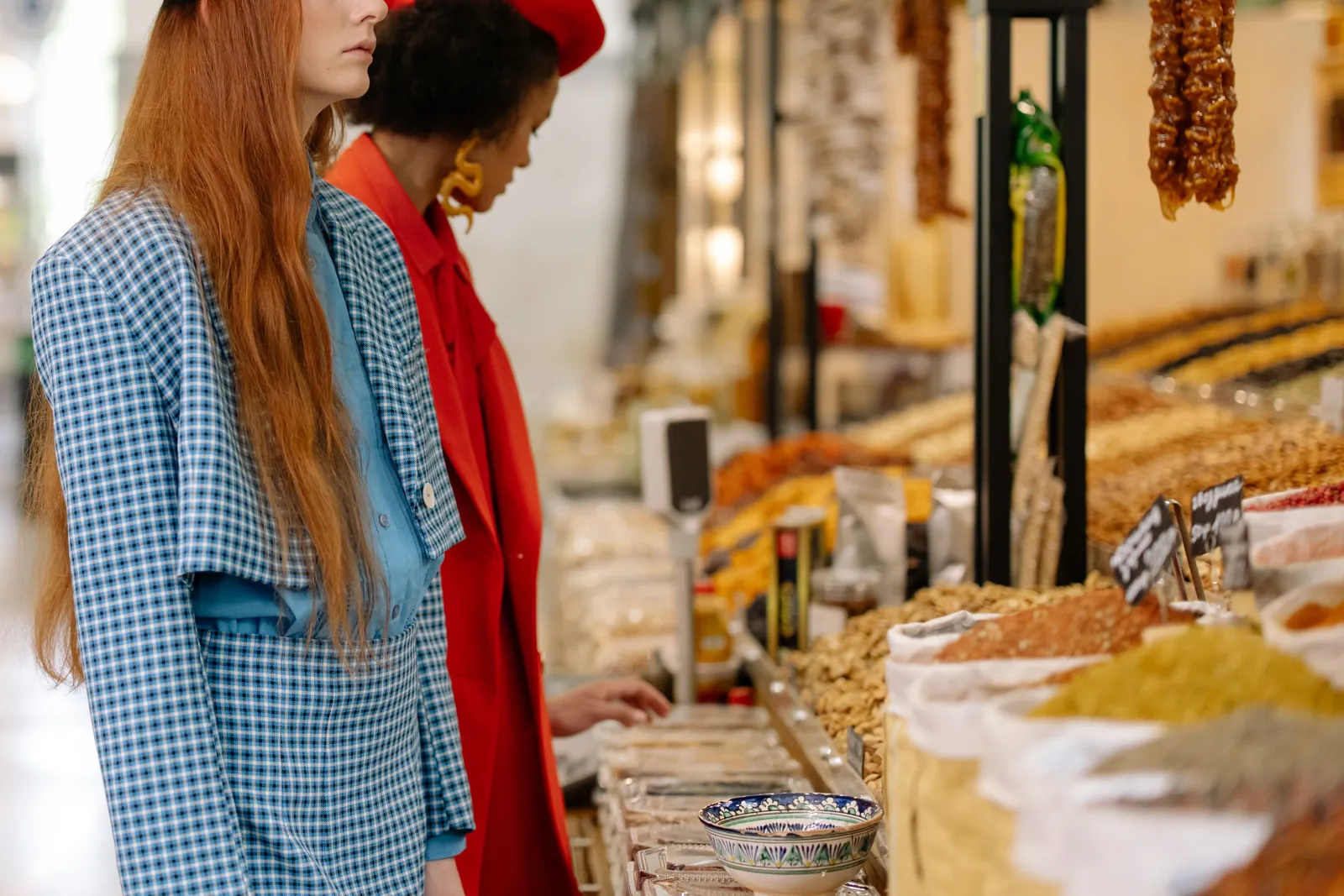
We launched a content-driven campaign supported by paid media on Facebook and Instagram, built to do two jobs at once: wake up engagement on the brand's own channels and produce sales, online and in stores. The content led. The media amplified. For a food brand with product this photogenic, the creative bar was the whole game, because a gorgeous brand posting mediocre food photography reads as decline, and the audience for this brand could grade food photography professionally. The creative had to be indistinguishable from the brand's own retail standard, the same care a luxury customer expects from every touchpoint, because for this audience the feed was a storefront window and windows get judged.
One month against the baseline
The campaign month against the prior monthly average: reach went from 143,000 to 2.01 million, fourteen times the baseline. Impressions rose from 257,000 to 2.61 million. New page likes went from 893 to 9,300. Comments went from 40 to 4,719, which is a 118x multiple and the number I watched most closely, because comments are where you find out whether people actually care or are just scrolling past something pretty. Reach can be bought outright; comments have to be earned, and 4,719 of them in a month meant the creative was doing persuasion work, not decoration work. Clicks on content rose from 7,241 to 73,124, shares from 454 to 3,567, and visits to the site from Facebook from 665 to 6,859.
And the number that made the case internally: online transactions went from under ten to 540 in the month, better than 54 times the average. Notice the shape of the funnel those numbers draw, because the proportions are the strategy audit: fourteen times the reach became ten times the site visits became fifty-four times the transactions. Each stage converted better than the one above it, which is what a healthy content-to-commerce sequence looks like. The inverted version, where huge reach decays into trivial action, is the signature of amplified content nobody wanted, and it is the more common result by far.
The lesson is not that engagement metrics matter for their own sake. I have little patience for creative conversations that stop at the ad unit, and even less for campaigns graded on likes. The lesson is sequencing. The commerce result arrived because the content earned attention first and the media bought that content the audience it deserved, in that order, and the order is not reversible. Paid social amplifying weak content multiplies nothing, which a different post covers from the organic side: reach is bought, but worth buying only for work that holds it. Every prestige brand with quiet channels is sitting on some version of this campaign. The demand is usually already there. The showing up is the missing part.
Related industry: Retail.