Notes on media, search, and measurement.

ChatGPT Is an Auction the Midterms Can't Enter. Test It With a Holdout.
OpenAI banned political ads this cycle, so ChatGPT's auction sits outside the midterm surge. Its new measurement partners make a real holdout test possible.

A Free Reference Library for Digital Advertising, and Five Other Things We Give Away
501 defined terms, 22 platform profiles, sourced benchmarks, current ad specs, calculators and templates. Free, ad-free, no gate, CC BY licensed.

One Image In, 39 Placements Out. A Free Ad Mockup Tool Built to Current Specs.
One square and four lines of copy become 39 ad mockups across every major channel, rendered to current specs and exported for a deck. Free, in the browser.

Google Kept AdX. What Changes on Your Buys Is the Part Nobody Is Explaining.
The judge kept Google's ad stack intact and rewired it instead. From the buy side, the remedies move money toward publishers and force a supply path audit.

The IAB Just Raised the Forecast. Q4 Will Be the Most Expensive Auction You Have Ever Bought.
The IAB raised its 2026 US ad spend forecast to 12.3 percent growth. Add the midterms and a fragmented NFL, and Q4 becomes a supply-constrained auction.

The Levers Are Disappearing. Is Your Brand Average?
Meta keeps removing manual controls and citing an average improvement. The average is real. Your brand is a specific case, and specific cases need holdouts.

Google Is Migrating Your Search Campaigns This Month. Set the Baseline Before It Does.
Since September 1, Google has been moving legacy Search campaigns to AI Max whether you asked or not. The only way to judge the result is a baseline set now.

The NFL Is Six Subscriptions Now. Your Reach Math Is From When It Was One.
Nine outlets carry the NFL this season and none share a frequency cap. How to buy America's most-watched programming without paying for the same fan six times.

Every Crypto Law on Earth, Marked to Market: Introducing CryptoRegulations.net
Forty-five jurisdictions, more than 100 statutes, every status cited to primary sources. Why we built a marked-to-market register of global crypto law.
Political CPMs Are Coming for Your Q4 Whether You Vote or Not
Every even year, billions in campaign money floods the auctions and commercial advertisers pay the surge. The 2026 midterms will not ask permission.

Zero-Click Was a Warning. Zero-Visit Is the Business Model.
The click was the deal: content in, visitors out. AI answers ended it. How to run marketing when your content works for machines that never send a session.
Your Brand Has an AI Reputation. Nobody Owns It.
Ask ChatGPT about your company and read what comes back. That answer shapes buying decisions today, and in most organizations nobody is responsible for it.

Every AI Law on Earth, Cited and Current: Introducing ArtificialIntelligenceRegulations.com
The law caught up to AI: three comprehensive statutes in force, a US preemption fight, deadlines stacking through 2028. A free register keeps the record.

How This Site Is Built to Be Read by Machines and Humans
A colophon for the AI search era: hand-built static HTML, consent-gated measurement in Europe, machine-readable editions, thirty-plus checks before any deploy.

The Right AI Model Is the Cheapest One That Clears the Bar
Claude, ChatGPT, Gemini, or Perplexity. Fast or reasoning model. Choosing an AI model is a media buying question, and most people answer it by habit.

Impressions Are Not Created Equal. Frequency Should Not Be Either.
A search impression, a feed impression, and a banner impression are three different events wearing one name. Why every channel needs its own frequency math.

Contextual Targeting Is the Oldest New Idea in Advertising
Cookies faded, consent walls rose, and the oldest signal in advertising came back with better math. What page-level targeting can and cannot carry in 2026.

Bing Matters Again, and Not Because of Bing
Copilot grounds its answers in Bing's index inside Windows and Office. The search engine everyone ignored is now AI infrastructure. Open Bing Webmaster Tools.

Your AI Subscription Is Worth $25,000 a Month. You're Using It Like It's Worth $20.
Claude, ChatGPT, Perplexity, and Gemini all moved to compute-metered usage windows within a year. The playbook for extracting what you already pay for.

The Word Now Is Never a Lie. It Is Rarely the Whole Truth.
Now is the hardest working word in ad copy. Always technically true, it compresses a decision and implies things the ad never proves. Use it like an instrument.

Why Your Wikipedia Page Won't Stick
Companies want a Wikipedia page because AI models lean on it. Most get deleted within weeks for structural reasons. What notability requires, and what to do.

Your Organic Click Through Rate Just Dropped 61 Percent
Google queries with an AI Overview saw organic click-through fall by more than half before a partial recovery. Most search budgets have not moved to match.
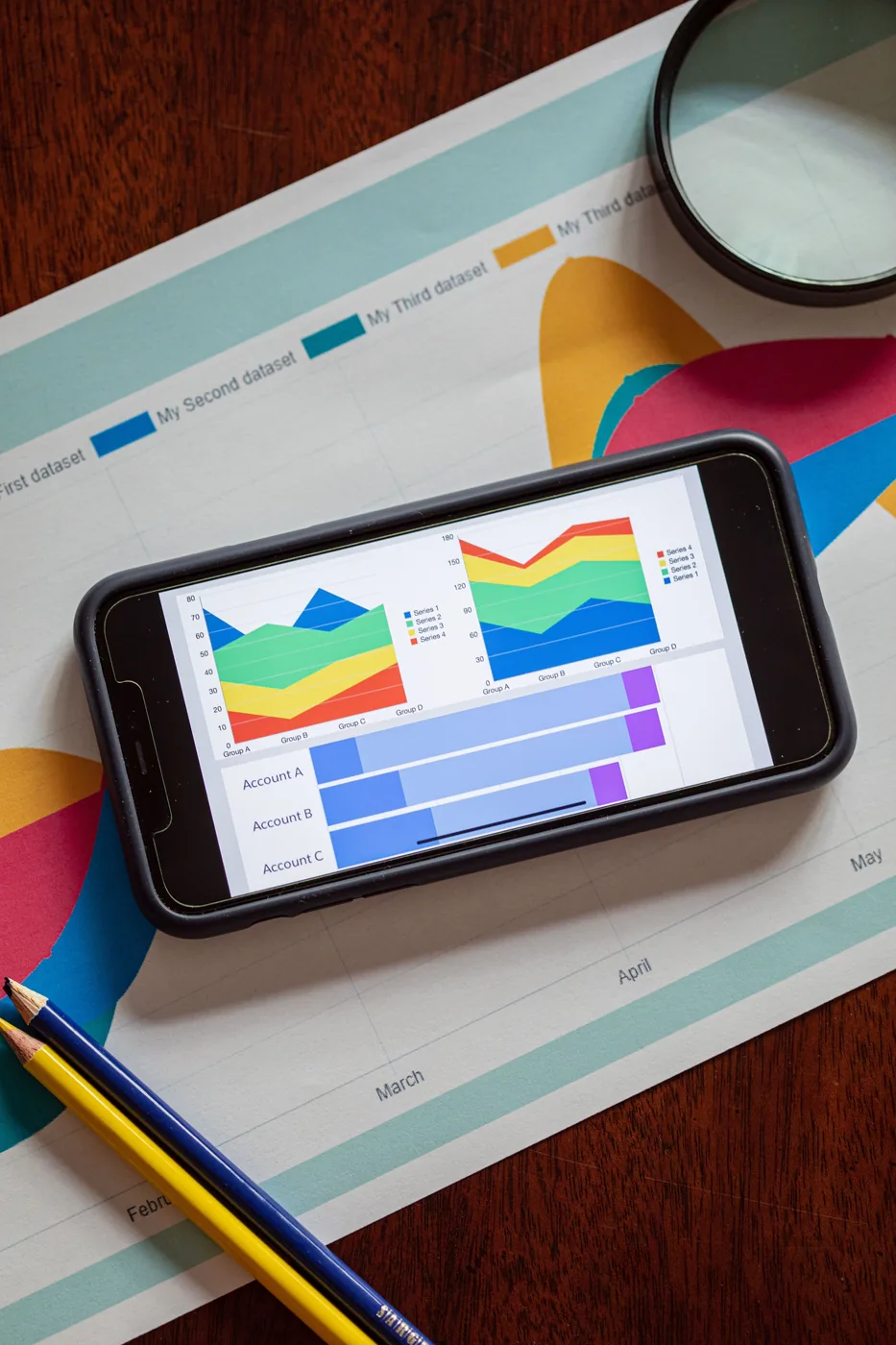
Most Attribution Dashboards Get Built and Then Ignored
A dashboard nobody opens has a trust problem. The fix is admitting uncertainty on the dashboard itself instead of hiding it behind false precision.

CAC Is Not CPA, and Confusing Them Costs Real Money
CAC and CPA mean different things, and board decks mix them up. How to calculate customer acquisition cost, and the ratio that says whether yours is any good.

Driving Traffic to Content in 2026 Means Accepting the Click Is Rationed
Search clicks are down, social organic is a rounding error, and AI answers cite instead of send. Where content traffic actually comes from in 2026.

A Clean Room Will Not Wash a Dirty First Party
Clean rooms are sold as the answer to signal loss. They are a secure meeting place for data you already have, and most brands arrive with nothing to say.

UGC Ads Work Until Everyone's Feed Is a Testimonial
UGC-style ads earned their reputation by not looking like ads. Now every brand runs them and the camouflage is wearing off. What still works, and the math.

Selling on the Marketplace Is a Lease, Not a Location
Marketplaces deliver demand and keep the customer. Take-rate math from inside eBay, the invisible rent, and the one-question test of who owns your file.

PPC Works in Weeks and Compounds in Quarters
How long does PPC take to work? The honest timeline, phase by phase: week one, month three, and the difference between a slow ramp and a failing account.

Cost Per Lead Is the Wrong Number to Optimize First
A form fill from a curious student costs the same, on a CPL basis, as a demo request from someone ready to buy. Why raw cost per lead rewards the wrong outcome.

Your Ad Test Ended Three Weeks Before It Was Significant
Most ad tests are decided by noise wearing a trend line. The sample-size math nobody runs, the peeking problem, and a testing regime sized to your account.

Your Competitors' Ads Are Public. Almost Nobody Looks.
Meta, Google, TikTok, and LinkedIn publish searchable ad libraries. They are the cheapest competitive intelligence in marketing, and most teams never open them.

A Donor Is a Subscriber With a Cause
Nonprofits buy donors the way brands buy customers, then measure them like one-time sales. Retention math decides which missions can afford to grow.

The Metric Going Up Is Hiding the One Going Down
Click-through rate improves as a campaign matures while conversion rate on the same traffic quietly declines. Most mid-year reviews screenshot only the first.

Luxury Media Has One Job: Protect the Price
Performance tactics that build most brands quietly dismantle luxury ones. The media plan is part of the product, and its first job is protecting the price.

I Vibe-Coded This Website. Here Is the Guide I Wish I Had.
A beginner's guide to vibe coding from someone who shipped a production website with it. What it is, where it works, where it bites, and how to direct it well.

PMax vs. Standard Shopping: Control Is the Product
The real difference between Performance Max and Standard Shopping is who holds the controls and who grades the homework. A decision framework, with tests.

The Media Review Meeting Is Where Insight Goes to Die
Forty slides, every number green, no decisions made. The monthly media review is broken the same way at most companies, and fixing it costs nothing but nerve.

First-Party Data Is a Verb
Every deck calls first-party data the new oil. Most companies treat it as an asset they own rather than a practice they run. The collect, keep, and use loop.

Commerce Media Is a Toll Booth, and Everyone Is Building One
Retail media passed every growth chart in advertising, and the fee structure explains why. How to buy commerce media without funding a retailer's margin story.

LinkedIn Is Overpriced. Pay It Anyway.
Fifty-dollar CPMs, clunky tooling, and the only auction where job titles are real. The case for holding your nose and buying the room your buyers sit in.

Your Ad Copy Was Never the Real Creative Problem
A client asked for forty new headlines because performance had flattened. The landing page was the problem. Where creative teams misdiagnose underperformance.

An Issue Campaign Is Not a Brand Campaign With a Flag on It
Advocacy advertising has a different audience, clock, and definition of winning. Running it like consumer marketing wastes money in a town that keeps score.

Landing Page Benchmarks Are a Comfort Blanket
Landing pages average 2 to 4 percent conversion, and knowing that will not change yours. What drives conversion rate, and the diagnostic that beats benchmarks.

The Content Search Engines Read Is Not the Content Your Customers See
Most GEO citations trace back to schema markup and structural consistency rather than the prose a content team wrote. Why a page's invisible layer matters more.

Retail Media Is a Tax You Should Negotiate, Not a Channel You Should Love
Retail media networks grow faster than any ad channel in history because customer and advertiser are both captive. How to spend without funding your squeeze.

Q4 Auction Inflation Is a Tax on Poor Planning
Every Q4, CPMs climb as retail budgets flood the auctions, and other advertisers pay the surge for impressions they could have bought in October.

HIPAA Took Your Pixels. Good.
Health systems lost their pixels and found their marketing still worked. What the HIPAA crackdown teaches every advertiser about signal they never needed.

Filling a Building Is Not an Awareness Problem
Real estate marketing keeps buying reach when the constraint is qualified tours and follow-up speed. Notes from lease-up work for New York developers.

What Is GEO? The Discipline That Decides Who AI Recommends
Generative engine optimization is the practice of earning presence in AI answers. What GEO shares with SEO, where it breaks from it, and what to do now.

The 342 to 1 Campaign and Why I Would Not Chase It Again
Seventy-five thousand dollars in paid social that returned $25.7 million. Why treating that number as a benchmark is the wrong lesson to take from it.

YouTube Is the Cheapest Attention in Video, Priced Like It Is Embarrassed
The largest video platform on earth clears at a fraction of CTV pricing, on the same living room screens, with better measurement. The discount is yours.

Geofencing Is Not a Strategy. It Is a Radius.
Most geofencing is a circle drawn around an address, which targets geometry rather than people. Location done properly is behavioral data with a map attached.

SEO vs. PPC Is a Timing Question, Not a Loyalty Question
SEO vs PPC has a boring resolution: they answer different questions on different clocks. When to buy, when to build, and how AI answers change the math.

A Packed Room Is Not the Same as the Right Room
A ninety-four percent completion rate in front of the wrong audience is not a win. Why reach and relevance need different metrics.

Creator Budgets Deserve Media Discipline
Influencer marketing became a real budget line while keeping hobby-grade buying habits. Whitelisting, usage rights, and paid amplification make it media.

CTV Sells Like TV and Measures Like Display. Buy It Like Neither.
Connected TV gets pitched with television romance and reported with display precision. Both halves are misleading, and the buying playbook lives in between.

Generative Engine Optimization Is Not Just SEO With a New Name
Ranking well on Google no longer means an AI model will cite you for the same query. Why GEO is a retrieval and trust problem rather than a rebrand of SEO.

Lookalike Audiences After the Signal Collapse
Lookalikes were the best targeting of the 2010s before platforms folded them into broad delivery. What still works, what is theater, where seed data belongs.

Dayparting Still Works. Smart Bidding Just Hid the Dial.
Ad scheduling looks obsolete under automated bidding, but the reasons to use it changed instead of vanishing. When dayparting pays, and when it is nostalgia.

GDPR Dimmed the Lights on Your European Data. Plan Like It.
GDPR is not a European legal footnote, it is a structural discount on your EU data. What US marketers get wrong about consent, and how to plan media around it.

Impression Share Is the Only Auction Metric That Tells You About the Auction
Every other search metric describes your ads. Impression share describes your market: how much available demand you entered, and why you missed the rest.

National Bought the Media. Local Owns the Customer.
Franchise systems, dealer networks, and multi-location brands fight the same budget war between national scale and local truth. The fix is an architecture.
Smart Bidding Does What You Told It. That Is the Problem.
Target CPA and target ROAS are steering wheels. Most accounts set them once, from politics rather than economics, then wonder why volume or quality vanished.

Your Facebook Ads Are Fine. Something Downstream Is Not.
A working diagnostic for Meta campaigns that spend without selling: the five failure points in order of likelihood, with the numbers that identify each one.

Stop Presenting Media Plans Before You Know the Margin
A media plan built without knowing contribution margin is a plan built on vibes. Why the margin conversation has to come before the channel mix.

Quality Score Is a Diagnostic, Not a KPI
Quality Score is the most misread number in Google Ads, chased as a grade and ignored as a tool. What the 1-to-10 measures, and when to stop caring.

An Association Has Three Audiences and One Budget
Members, prospects, and policymakers are three marketing problems wearing one logo. Three scoreboards, year-round renewal, and the grant nobody spends.

Negative Keywords Are Half Your Search Strategy
Keywords get learned in week one, negatives in year three. Why exclusion is the harder half of paid search, and the weekly ritual that keeps automation honest.

Automotive's Three Tiers Are Fighting Over the Same Buyer
National brand, regional group, local dealer: three automotive ad budgets chasing one buyer with three attribution systems. A media buyer's read.

You Do Not Have a Targeting Problem. You Have Three Ads.
Accounts stall and everyone audits the audiences. The audiences are fine. The creative library has three ads, and two are the same ad in different crops.

The Month Does Not End Evenly, and Neither Does Your Budget
Straight-line pacing is a bookkeeping habit. Demand has a shape, auctions have a calendar, and the end-of-month panic spend is where efficiency goes to die.

Share of Voice Buys Market Share on a Delay
Advertising's oldest empirical law says outspending your market share grows it, on a lag. What share of voice means now, and how to run the math for your brand.

The Tracking Setup Nobody Checks Until the Numbers Look Wrong
Bad tracking rarely produces numbers that look wrong. It produces plausible, slightly off numbers, and nobody catches it until a quarter's decisions rest on it.

Cheap Leads Are the Most Expensive Thing You Can Buy
Cost per lead is the easiest number in marketing to improve and the most dangerous to optimize. The damage arrives two quarters later under someone else's name.

Ad Fatigue Has Math. Use It.
Creative dies of exposure, and the decay shows in frequency-segmented data long before the topline turns. How to refresh ads on evidence instead of vibes.
Marketing Mix Modeling Came Back From the Dead Because Nothing Else Survived
MMM was the dusty econometrics of big TV advertisers until signal loss made it modern again. What mix modeling does, what it needs, and who should wait.

The Same Bank Needs Two Different Media Plans
Financial services marketing is two disciplines wearing one logo. How B2C acquisition and B2B trust-building diverge, from work with Visa, PayPal, and Nasdaq.

You Do Not Need a Data Science Team to Run a Holdout
Incrementality testing sounds like a research department. It is a spreadsheet, a map, and the discipline to leave some money on the table for six weeks.

Case Study: Simon Malls, From Clicks to Foot Traffic
Simon owns the premier shopping destinations in North America. The job was driving readers to their editorial site and shoppers to their centers, in that order.

The Right Marketing Budget Is Not a Percentage
The five-to-ten-percent rule is repeated everywhere and reasoned from nowhere. How to size a marketing budget from unit economics and growth targets instead.

The Q2 Plan Everyone Signed Off On in March Is Already Wrong
A media plan gets treated like a blueprint, approved once and executed for thirteen weeks. The market moves faster than that. Build in a correction cadence.

Every Attribution Model Is Wrong. Choose the One Wrong in Your Favor.
First-touch, last-touch, linear, data-driven: what each marketing attribution model assumes, what it hides, and how to use models without believing them.

Your Match Rate Is the Ceiling on Everything Else
Every first-party data strategy depends on one unglamorous number: how much of your customer file the platforms can recognize. Typical is about 20 percent.

Enrollment Marketing Has a Clock, Not Just a Funnel
Education prospects run on deadlines the funnel diagram ignores. The deadline gradient, the stealth applicant, and grading media across a nine-month cycle.

Brand Awareness Is Measurable. Stop Letting People Tell You Otherwise.
Brand awareness has a reputation as the unmeasurable half of marketing. It has been measurable for seventy years. Five instruments, ranked by cost and honesty.

Case Study: Duncan Hines, Birds Eye, and Proving Facebook Moved Groceries
We set out to prove Facebook ads moved groceries off shelves. Datalogix measured 29x and 12x returns on incremental store sales for Birds Eye and Duncan Hines.

The Three Ways to Pay for Advertising, and What Each One Hides
CPM, CPC, and CPA are three answers to who carries the risk when an ad does nothing. A guide to advertising pricing models and the incentives each one hides.

Phone Calls Are Conversions. Your Dashboard Thinks They Are Silence.
In healthcare, home services, legal, and anything high-consideration, the best customers call. Accounts optimized on web forms alone train against them.

CTR Benchmarks Are Where Strategy Goes to Hide
Average CTR is about 6.6 percent on search ads and 2 percent on social. Optimizing toward the benchmark makes accounts worse. When a falling CTR is good news.

Your Tracking Pixel Is a Compliance Decision Now
HIPAA and ad measurement collided in 2022 and the dust has not settled. What health marketers can and cannot do with pixels, and how to measure anyway.
How Much Do Google Ads Actually Cost? Wrong Question.
Average CPCs are real numbers about nobody's business. What Google Ads actually costs, what sets the price of your click, and the budget math that matters more.

Broad Match Is Spending Your Money on Questions You Never Asked
Google wants every keyword on broad match with smart bidding, and sometimes that works. The search terms report decides whether it works for you or for Google.

Google Ads vs. Meta Ads Is Not a Rivalry. It Is a Relay.
The most-asked comparison in digital advertising has a false premise. Google harvests demand, Meta creates it, and the budget question is a sequencing question.

The Last Campaign Standing Was Not the Smartest Move
A campaign can hit its Q1 number and still be the wrong thing to build around. Separating what won the quarter from what actually strengthened the account.

A Good ROAS Is Whatever Your Margin Says It Is
Everyone wants the ROAS benchmark. The honest answer is a two-line calculation involving your gross margin, and it changes which campaigns are profitable.

Case Study: GMAC, the GMAT, and Stealing Share From the GRE
GMAC asked us to win test takers back from the GRE. Search campaigns returned 288 percent ROAS and $339,828 in revenue at a third of the target CPA.
Reaching Washington Is a Media Plan, Not a Press Release
Washington is the most concentrated advertising market in America. How advocacy and policy campaigns actually reach the few thousand people who matter.

The Most Expensive Click Is the One You Refuse to Buy
Hotels pay online travel agencies 15 to 25 percent per booking, then balk at paid search that costs far less. Direct booking economics from luxury hospitality.

Case Study: Dean & DeLuca's 54x Month
A content-driven paid social campaign for Dean & DeLuca that multiplied reach 14x and took monthly online transactions from under ten to 540.

Bidding on Your Own Brand Name Is Not a Scandal. It Is Math.
Should you bid on your own brand name? Run the incrementality test. Brand search ads capture demand you may already own, and the answer depends on your SERP.

A Third of Your Programmatic Budget Never Reaches an Impression
ISBA and PwC traced roughly a third of programmatic ad spend to the path between advertiser and publisher. Most performance reports never account for it.

A Beauty Launch Is Won Before the Shelf
Retail buyers stock demand they can verify, not demand a pitch deck promises. What launching Dr. Jart+ into the US market taught me about beauty media.
Your Landing Page Is Killing More Campaigns Than Your Media
Teams iterate ads daily and leave the post-click page untouched for a year. The cheapest performance gain in most accounts is on the other side of the click.
Remember StumbleUpon
Before the feed, there was a button. StumbleUpon sold serendipity at a nickel a visitor, and its lessons still apply to today's discovery platforms.

Luxury Consumers Can Smell a Performance Marketer
Luxury digital marketing fails when it borrows the performance playbook. On reach, restraint, and why last-click undervalues every dollar a luxury brand spends.

B2B Quietly Works on Meta
LinkedIn charges a premium for job titles. Meta reaches the same buyer at a fraction of the CPM, off the clock. The B2B advertisers who noticed keep quiet.

Case Study: Nasdaq and Nine Countries of Page One
Nasdaq needed negative results off page one for Directors Desk in nine countries. How it worked, and what clean search reputation management looks like.

You Cannot Cut Paid Media and Keep the Reach
Organic reach on business social accounts has sat under 2 percent for years. Cutting paid support does not preserve your content program; fewer people see it.
Broad Targeting Won. Creative Is the Targeting Now.
Interest stacks and lookalike layers are gone, and campaigns run broad. The targeting moved into the creative, and most creative was not built to carry it.

The Number Your CFO Actually Believes
Platform ROAS gets laughed out of finance meetings. Marketing efficiency ratio, blended and boring, survives. How to run media against a metric the CFO trusts.

Case Study: TF Cornerstone and 80 Percent More Rental Applications
How paid search and Facebook retargeting drove 80 percent more rental applications for TF Cornerstone, with a 730 percent improvement in search conversion rate.
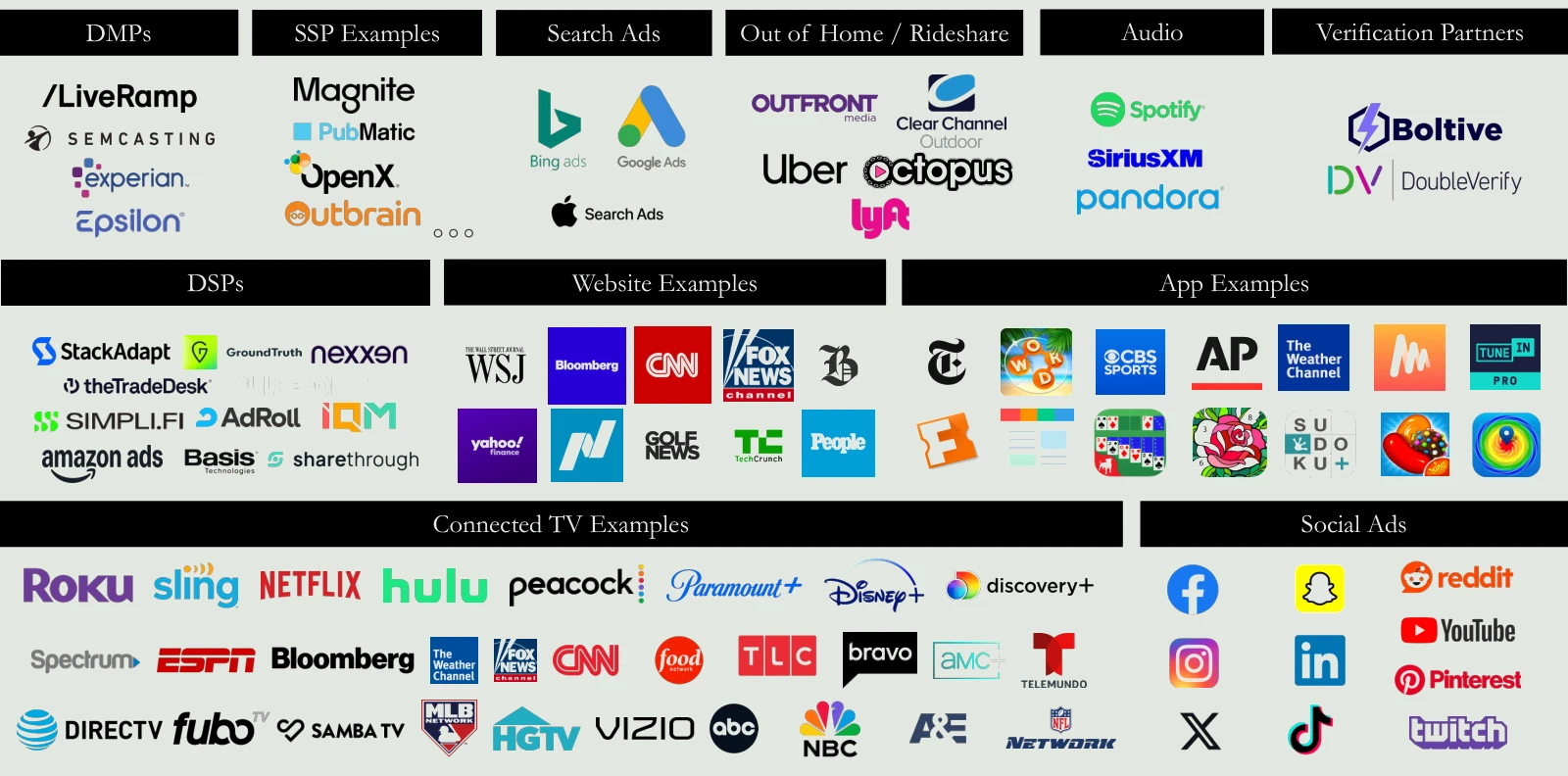
The Platforms We Buy Through
The working map of Agency Echelon's buying reach: the DSPs, SSPs, DMPs, search, social, audio, out-of-home, CTV, and verification partners we buy across.

Your Google Grant Is $10,000 a Month. Most Nonprofits Spend $600 of It.
Google Ad Grants gives nonprofits $10,000 a month in search ads, and most leave the bulk unspent. I managed millions in grant media; the fix is structural.

Half Your Media Budget Never Buys Media
Working media, the money that buys impressions and clicks, is often 60 to 92 percent of an approved budget, depending on channel. The rest is unlabeled fees.

The Subscriber You Buy on Discount Leaves on Schedule
Promo-heavy subscriber acquisition manufactures the churn it later blames on retention. Cohort math, the month-thirteen cliff, and why the offer is targeting.

Strategy That Cannot Read the Stack Is Just Opinion
Digital strategy without technical knowledge gets negotiated down by every vendor in the room. Why strategists need to read the stack they plan against.

Performance Max Is a Black Box. Auditing It Is Still Your Job.
Google built Performance Max to be opaque and it performs anyway. That is not a reason to stop asking where the money went. Here is how I audit a black box.

Case Study: eBay Germany, $25.7 Million in Two Weeks
The mechanics of the eBay Germany campaign: a two-week gamified microsite, $75K in paid social, 864,761 transactions, and $25.7 million in attributed sales.